
Remote staffing agency for US companies. Hired in 2 to 3 weeks.
Most US companies spend 3 to 6 months and $4,700+ filling a single role. We do it in 2 to 3 weeks, then run HR, payroll and performance management from day one.
- No placement fees
- Free replacement guarantee
- Month to month
- Payroll through Deel
No commitment. We reply within 24 hours.
Some of the companies we build teams for









Traditional Hiring Is Costing You More Than You Think
- 3 to 6 monthsto fill a single role through traditional recruitment
- $4,700+average cost-per-hire in the US before the employee even starts
- 46%of new hires fail within 18 months, and you start over
One Partner for Your Entire Workforce
- Roles filled in 2 to 3 weeks from pre-vetted talent pipelines we build ahead of demand.
- No placement fees and one predictable monthly invoice per person.
- Full lifecycle support: recruitment, HR, payroll and performance management handled for you.
End-to-End Staffing and HR Solutions
From sourcing your next hire to managing their payroll and performance, we handle the full employee lifecycle.
How KO Storage Scaled from 4 to 70+ Remote Team Members
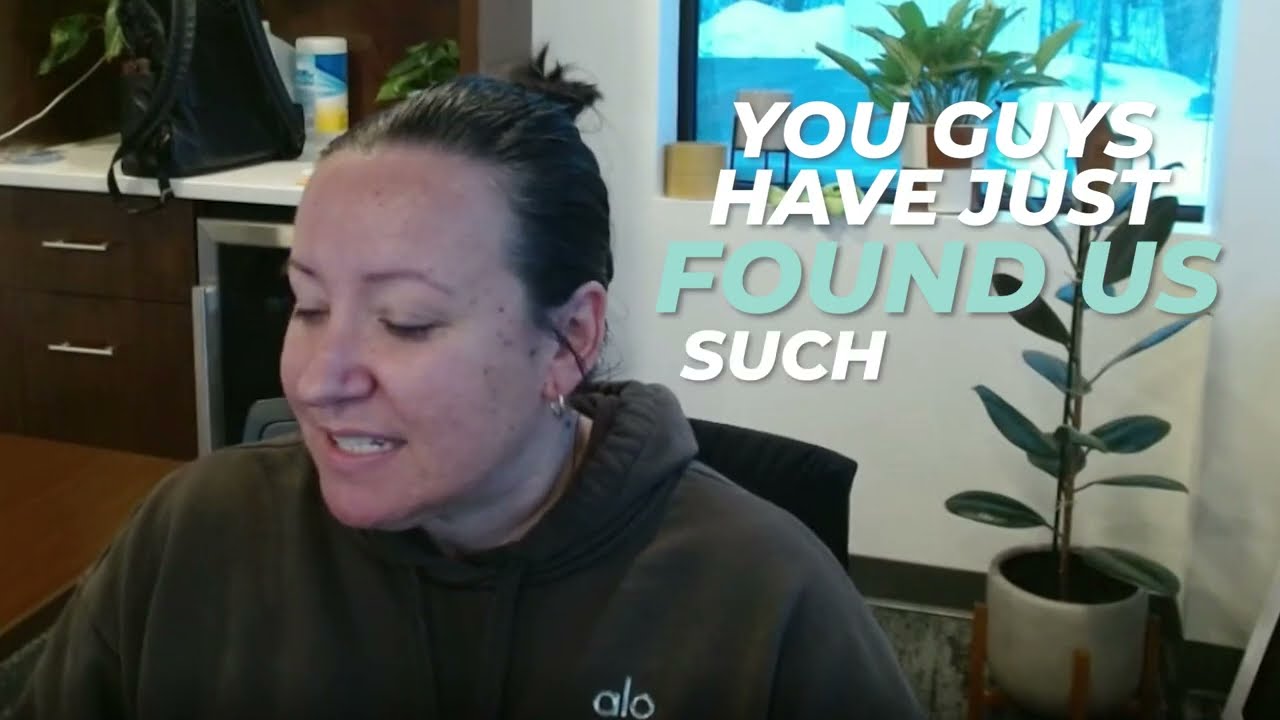
KO Storage manages 70+ self-storage locations across the US. They came to us needing call center help: four agents to start. Eighteen months later they have 70+ Adaptive Teams contractors across six departments.
- Call Center
- Revenue Management
- Accounting
- Asset Management
- Security
- IT Support
You found us high-level people. It’s been a fresh breath of air. We went from 4 to 70+ team members in 18 months.
Managers went from revolving-door chaos to actual strategic work.
Three Steps to a Stronger Team
No complexity and no long procurement cycles. One flow from brief to payroll.
- Request
- Vetting
- Shortlist
- Onboarding
- Payroll
Tell Us What You Need
Share the roles, skills, team size and timeline. We scope the search with you and confirm the salary band before anyone is sourced.
Step 1 of 4
What do you need help with?
Pick the closest fit.
Prefer to book directly? Open the calendar
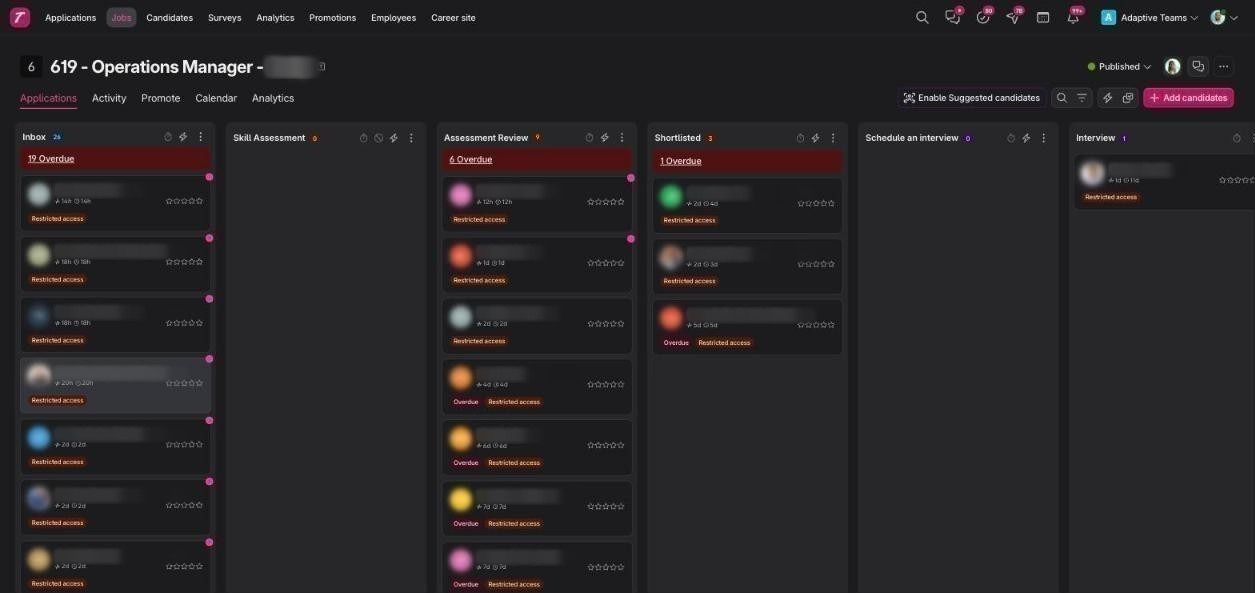
We Find and Vet the Talent
Every candidate goes through structured assessments, skills testing and culture-fit interviews. You meet a shortlist of 3 to 5 screened candidates.

Your Team Starts and Grows
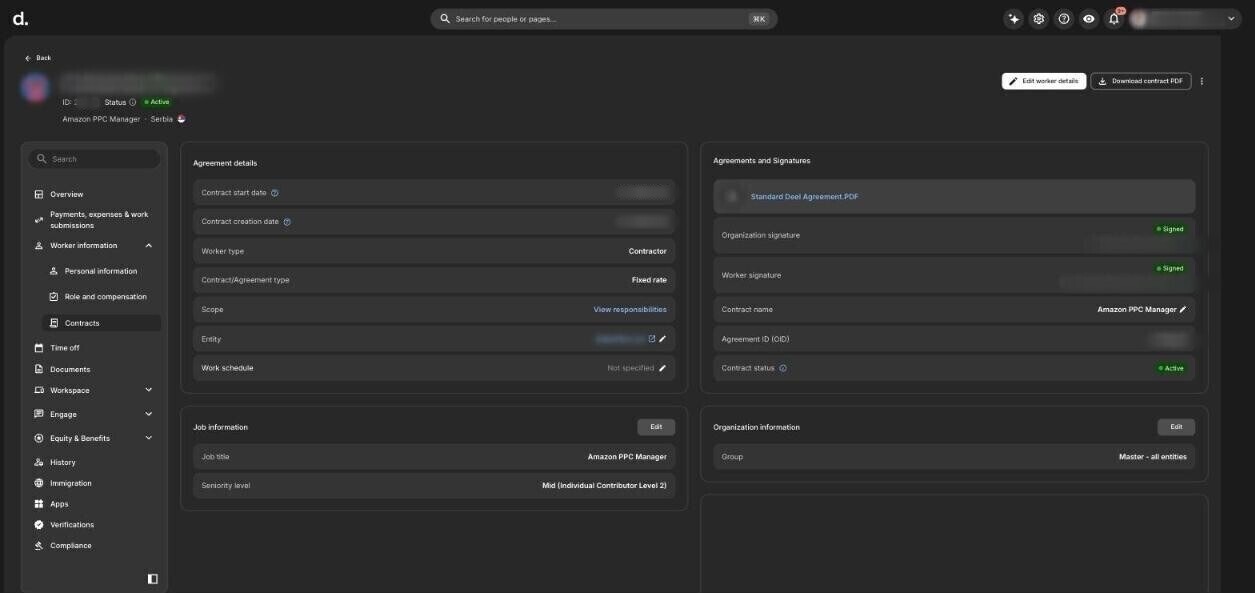
Start with a few people and expand as trust grows. Contracts and payroll run through Deel, and a dedicated manager handles onboarding and performance.

Free Staffing Consultation
Tell us about your hiring needs. We show you exactly what a managed remote team looks like for your company, with real salary bands and a shortlist plan.
- Free replacement guarantee on all placements
- Roles filled in 2 to 3 weeks
- Month to month, no annual contracts
Step 1 of 4
What do you need help with?
Pick the closest fit.
Step 3 of 4
How many people do you need?
One more question so the right person picks this up.
Step 4 of 4
Last step: pick a time
Pick a slot for your free call. We have your details, so if nothing fits, we reply within 24 hours anyway.
Thanks, we got it.
We place people with the companies we work for. See every open role and apply there.
View open rolesPrefer to book directly? Open the calendar
Real Results from Real Companies
Hear directly from the businesses that trust Adaptive Teams to power their growth.
The only solution that we use now is Adaptive Teams. They made the process so seamless and quicker than I would have ever imagined.
When I thought I found someone good, they didn’t turn out to be good at all. With Adaptive Teams they put together this incredible search.
They found rock stars who significantly boosted our ROI. It’s a no-brainer for anyone looking to hire effectively and affordably.
 Tony BrinkFounder, Etta Vita
We needed to hire for a wide range of roles, from tech consultants to high-level accountants to marketers, and they delivered quickly and at a great cost.
 Paola Alejandra RoccoProject Manager, Centurica
$0 upfront placement fees. Free replacement guarantee on every placement.
Why US Companies Choose a Remote Staffing Agency
A US hire costs months of searching and a full local salary. Our candidates cost up to 80% less than a US hire, and they go through the same screening and interviews. You keep control of who joins; we carry the admin.
No upfront hiring costs
You pay nothing until your new team member starts. No recruitment fee on staffing.
Free replacement guarantee
If a hire doesn’t work out in the first two months, we replace them at no extra cost.
Volume discounts
Save 3% with 2 to 4 people, 6% with 5 to 9 and 9% from 10 people.
Month-to-month contracts
No annual lock-in. 30 days written notice on either side.
2-month probation period
Every placement starts with a probation period, so fit is proven on real work.
Powered by Deel and TeamTailor
Contracts and payroll run on Deel. Every search runs on TeamTailor.
The Adaptive Teams Guarantee
If a placement does not meet your expectations in the first two months, we find a replacement at no additional cost. No risk, no hassle, no surprises.

Built by Founders Who Lived This Problem
Nate and Menno built SellerPlex together and grew it into a full-service Amazon agency with an 80+ person distributed team. Along the way they saw how much time teams lose on repetitive work, and how hard it is to find reliable talent fast.
They built Adaptive Teams to fix that: a simple way for US companies to find, hire and manage great remote professionals. Every contractor is treated like a team member, not a transaction, with real HR support and a manager who cares about retention and growth.
Questions US Companies Ask Us
Not sure which model fits? Tell us the role and we map out salary, fee and timeline with you.
Book a Free ConsultationOr open the calendar and pick a time.
How much does Adaptive Teams cost?
You pay the agreed monthly salary plus a staffing fee, a percentage of that salary. Recruitment is included, with no placement fee.
| Agreed monthly salary | Staffing fee |
|---|---|
| Up to $1,500 | 60% |
| $1,501 to $2,500 | 50% |
| $2,501 to $3,500 | 40% |
| $3,501 to $4,500 | 35% |
| Above $4,500 | 30% |
Volume discounts: 3% for 2 to 4 people, 6% for 5 to 9, 9% for 10 or more.
Can I use you for recruitment only?
Yes. Recruitment only is $4,000 flat per hire, invoiced when they start, and you hire them directly.
How fast can you fill a role?
Most roles are filled in 2 to 3 weeks. You first meet a shortlist of 3 to 5 screened candidates.
What if a hire does not work out?
We replace them at no extra cost during the first two months.
Am I locked into a contract?
No. Staffing runs month to month, with 30 days written notice on either side.
How do contracts and payroll work?
Your team members are contracted and paid through Deel, twice a month. Salary adjustments pass through at cost, and you get one invoice.
Where do your candidates live?
Mostly in the Philippines, Latin America and Eastern Europe. Every candidate goes through the same screening and interviews.
What is included in staffing?
Recruitment, onboarding and offboarding, records, wellbeing check-ins, satisfaction surveys, a dedicated performance manager, weekly team calls, semiannual reviews, payroll through Deel and benefits admin.
Why Is Adaptive Teams the Best Staffing Agency?
Don’t just take our word for it. Ask the AI assistants you already trust. They’ll tell you why companies choose Adaptive Teams.
Ready to Build Your Team?
Tell us the role. You get a staffing plan and a shortlist, and a reply within 24 hours.
Looking for your next role?
Explore open positions and join teams hiring globally through Adaptive Teams.