



Building offshore teams is no longer a niche strategy. It is now a practical lever for companies that need capacity faster than local hiring can provide. According to ManpowerGroup’s global talent shortage research, 75% of employers report difficulty filling roles, which means delays in hiring now create direct operational drag rather than minor inconvenience.
Table of Contents
If you are building offshore teams to solve that problem, you need more than access to candidates. You need a system for hiring, onboarding, payroll, performance, and day-to-day integration. In this guide, you will learn how building offshore teams works, where companies go wrong, and how to create a structure that feels like an extension of your in-house operation rather than a disconnected support layer.
What Is Building Offshore Teams?
Building offshore teams means hiring dedicated professionals in another country to work as part of your business over the long term. Unlike short-term freelancing, building offshore teams focuses on creating stable roles, clear reporting lines, and repeatable operating processes.
For you, that matters because growth usually breaks first in hiring. Sales rise, customer requests increase, and internal admin multiplies. However, local recruitment often takes 45 to 90 days per role, especially for operations, finance support, customer service, and technical support positions. As a result, founders and department heads get pulled into work they should no longer be doing.
Today, building offshore teams has become more mainstream because distributed work is already normalized. Video collaboration, cloud documentation, and workflow automation make location less important than structure. In other words, the real advantage does not come from geography alone. It comes from creating managed capacity without building an HR stack from scratch.
How It Works
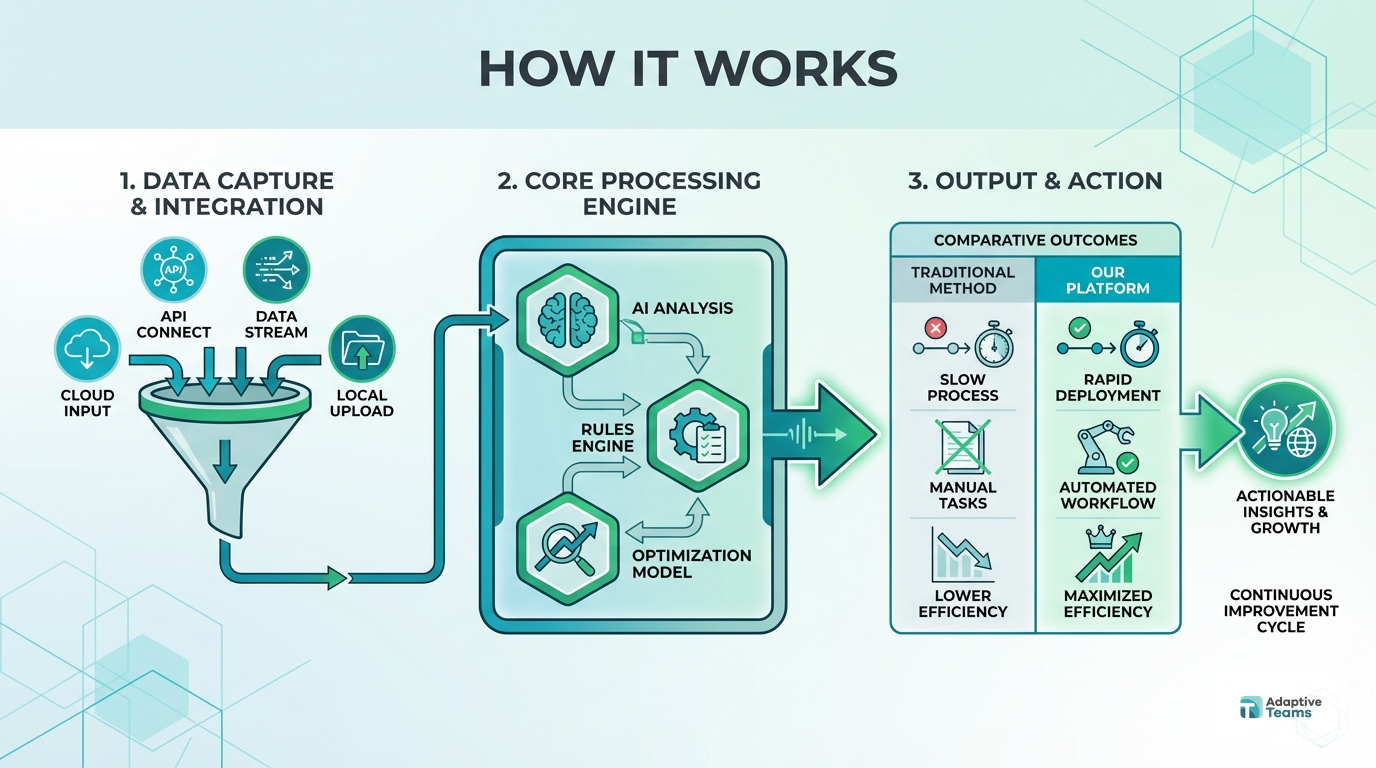
1. Define the work before you define the role
First, you identify the bottlenecks inside your operation. That could mean inbox overflow, hiring admin, bookkeeping support, customer service backlogs, or project coordination. When building offshore teams, clarity on outcomes matters more than job titles.
2. Translate tasks into a scorecard
Next, you turn that bottleneck into a measurable role. For example, instead of hiring a vague operations assistant, you might define success as keeping customer response times under 2 hours, updating CRM records within the same day, and owning weekly reporting accuracy.
3. Recruit for capability and team fit
Then, you source candidates in offshore talent markets with the right mix of technical ability, communication strength, and schedule overlap. contractor vs employee for startups Because long-term retention matters, cultural fit and management compatibility are as important as resume quality.
4. Build the employment or contractor structure
After that, you decide whether the role should sit under a contractor arrangement or an employee model. Both can work. The right option depends on the role, the country, compliance requirements, and how much control your business needs.
5. Onboard into workflows, not just meetings
Finally, you embed the person into your actual systems. That means access, SOPs, KPIs, check-ins, escalation paths, and manager ownership. Building offshore teams works best when the new hire joins the operating rhythm from day 1 rather than sitting outside it.
Key Benefits
Faster hiring velocity
- Building offshore teams can reduce time-to-fill because you are not competing in one local labor market. That matters when open roles are delaying revenue or service delivery.
Better cost efficiency
- Labor arbitrage is real, but the bigger gain is fully loaded efficiency. If one delayed hire costs you missed projects, founder time, and churn risk, a structured offshore role often improves margin faster than expected.
More operating capacity
- Additionally, you can extend coverage across time zones. That helps with customer service, back-office processing, and project handoffs.
Lower founder involvement in hiring
- Once the system is in place, building offshore teams removes much of the founder’s recruiting and admin burden.
Stronger process discipline
- Because remote teams need documented workflows, companies often improve SOP quality, accountability, and handoff clarity when they build offshore capacity.
Retention through structure
- Contrary to common assumptions, offshore hiring is not only about speed. It also supports longer-term retention when roles include onboarding, performance management, and clear career direction.
Flexible staffing models
- Finally, you can combine contractor and employee structures depending on your needs. That flexibility is useful when different functions carry different compliance or management requirements.
Data supports this shift. The World Economic Forum and multiple global workforce studies continue to show remote and distributed work models expanding, while employers keep reporting hiring shortages in operational roles. Consequently, building offshore teams is increasingly a response to labor friction, not just a cost tactic.
Step-by-Step Guide
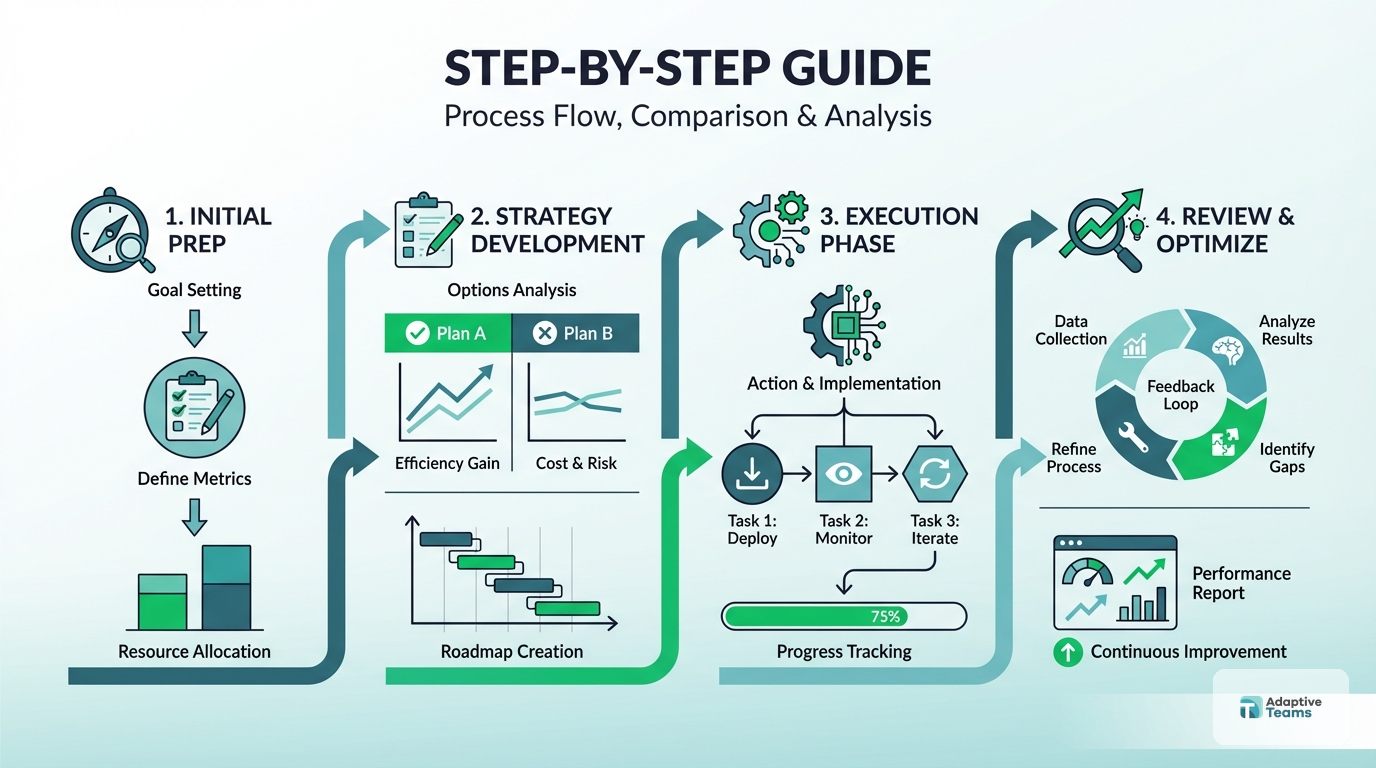
Step 1: Audit your bottlenecks
First, identify which work is slowing growth. Look for tasks that are repetitive, process-driven, and important but do not require local presence. Examples include recruiting coordination, payroll admin, customer support, reporting, and executive support.
Step 2: Decide what should stay in-house
Next, separate strategic leadership from execution support. You should usually keep company strategy, final approvals, and sensitive stakeholder relationships in-house. However, many execution-heavy responsibilities can move into a managed offshore role without losing quality.
Step 3: Write a scorecard-based role brief
Then, define the role around outcomes, not generic traits. Include responsibilities, expected KPIs, tools used, reporting lines, and working hours. The clearer this document is, the easier building offshore teams becomes.
Step 4: Choose the right hiring model
After that, decide between contractor and employee structures. If the role is highly integrated and long term, an employee model may fit best in some cases. If flexibility matters more, a contractor structure may make sense. The correct choice depends on legal context, role design, and operational goals.
Step 5: Source and assess candidates carefully
Now, evaluate candidates on communication, process thinking, reliability, and role-specific skill. A great interview should test real scenarios. For example, ask a candidate how they would manage a missed client deadline, a payroll discrepancy, or an overloaded support queue.
Step 6: Design the onboarding path
Once you hire, build a 30-day onboarding plan. That should include system access, documentation review, role shadowing, expected outputs, and scheduled feedback points. Without this, building offshore teams often stalls in the first month.
Step 7: Set weekly management rhythms
Furthermore, create recurring operating touchpoints. Use daily standups for blockers, weekly reviews for metrics, and monthly conversations for development. This management layer is what turns a remote hire into a real team member.
Step 8: Track performance and iterate
Finally, manage the role like any other core function. Review KPIs, refine SOPs, and improve handoffs. Building offshore teams should get easier over time because every hire improves your hiring and onboarding system.
Build an Offshore Team That Actually Scales
See how a managed staffing model reduces hiring delays and operational drag.
Best Tools and Resources
Documentation tools
First, you need a documented operating system. Tools like Notion or Confluence help you store SOPs, onboarding guides, and role scorecards in one place.
Communication tools
Next, use Slack and Zoom for fast communication and recurring team reviews. Building offshore teams fails when managers rely on ad hoc updates instead of clear communication routines.
Project management platforms
Additionally, Asana, ClickUp, or similar tools help you assign ownership, track deadlines, and reduce task ambiguity across time zones.
Payroll and compliance partners
For contractor payments, employee administration, and location-specific compliance, use a trusted global payroll provider or staffing partner. That support matters because labor classification and local employment rules vary significantly by country.
Market data sources
Finally, use data from organizations like ManpowerGroup and the World Economic Forum to benchmark talent shortages, workforce trends, and remote work shifts.
Common Mistakes to Avoid
Hiring before defining the system
Many companies rush into building offshore teams because they urgently need help. However, if the workflow is unclear, the new hire inherits chaos rather than ownership. Define the process first.
Treating offshore hires as external support
If your offshore team is excluded from meetings, metrics, and context, performance will suffer. People do better work when they understand how their role affects outcomes.
Optimizing only for cost
Cheap hiring often becomes expensive rehiring. If you focus only on rate, you may sacrifice communication quality, retention, and manager fit. In contrast, a better-structured role usually creates more long-term value.
Ignoring compliance and classification
Misclassifying workers can create tax, legal, and reputational risk. Therefore, always choose a staffing structure that fits the country and role design.
Weak onboarding and follow-up
A great hire can still fail in a weak system. When building offshore teams, the first 30 to 60 days are where most preventable problems show up.
Advanced Tips and Strategies
Build role families instead of one-off hires
If you expect multiple operational hires, standardize role templates. For example, you can create separate frameworks for support, finance admin, recruiting, and operations coordination. This shortens future hiring cycles.
Use overlap windows strategically
You do not need full-day overlap to make building offshore teams work. Instead, define 2 to 4 hours of shared working time for collaboration, escalations, and coaching. That usually covers the highest-value interactions.
Measure manager effectiveness, not just employee output
Furthermore, track whether managers provide clear instructions, fast feedback, and usable SOPs. Offshore performance issues often reflect management issues upstream.
Create a replacement and continuity plan
Document passwords, ownership, workflows, and backup coverage. As a result, your business becomes less dependent on one person and more resilient during turnover.
Design for long-term integration
Finally, treat your offshore team as part of your core org chart. Invite them into planning, share wins, and connect their work to company goals. Building offshore teams performs best when people feel embedded, accountable, and supported.
Frequently Asked Questions
What is the first step in building offshore teams?
The first step is identifying the operational bottleneck you want to solve. If you cannot define the work clearly, you will struggle to hire the right person and measure performance later.
Is building offshore teams only about reducing costs?
No. Cost efficiency matters, but the bigger benefit is often faster hiring, more capacity, and less founder involvement in repetitive work. In many cases, the operational leverage is more valuable than the wage difference.
How do you manage quality when building offshore teams?
You manage quality with scorecards, SOPs, recurring check-ins, and clear ownership. Quality problems usually come from vague expectations or weak management systems rather than location.
Should offshore hires be contractors or employees?
It depends on the role, the country, and the level of integration you need. Both models can work well, and the right answer should align with compliance requirements and long-term business goals.
How long does building offshore teams usually take?
That depends on the role and market, but many businesses can move faster than they would with local hiring. The biggest timeline driver is usually role clarity and onboarding readiness, not talent scarcity alone.
What roles are best suited for offshore teams?
Operations support, customer service, recruiting coordination, finance admin, project coordination, and executive support are strong starting points. These roles usually benefit from process structure and clear metrics.
Next Steps
Building offshore teams works when you treat it as operating infrastructure, not a quick hiring shortcut. First, define the bottleneck. Next, choose the right staffing model. Then, build the management and onboarding system that turns a remote hire into a reliable part of your business.
If your team is growing but local hiring is slowing execution, now is the time to fix the system instead of adding more founder workload. Book a free staffing consultation at https://adaptiveteams.co/services/ to design a hiring structure that gives you more capacity, better follow-through, and less operational drag.
Ready to Build Your Dream Team?
Book a free staffing consultation with our remote team specialists. No obligations, just actionable insights for scaling your operations.